
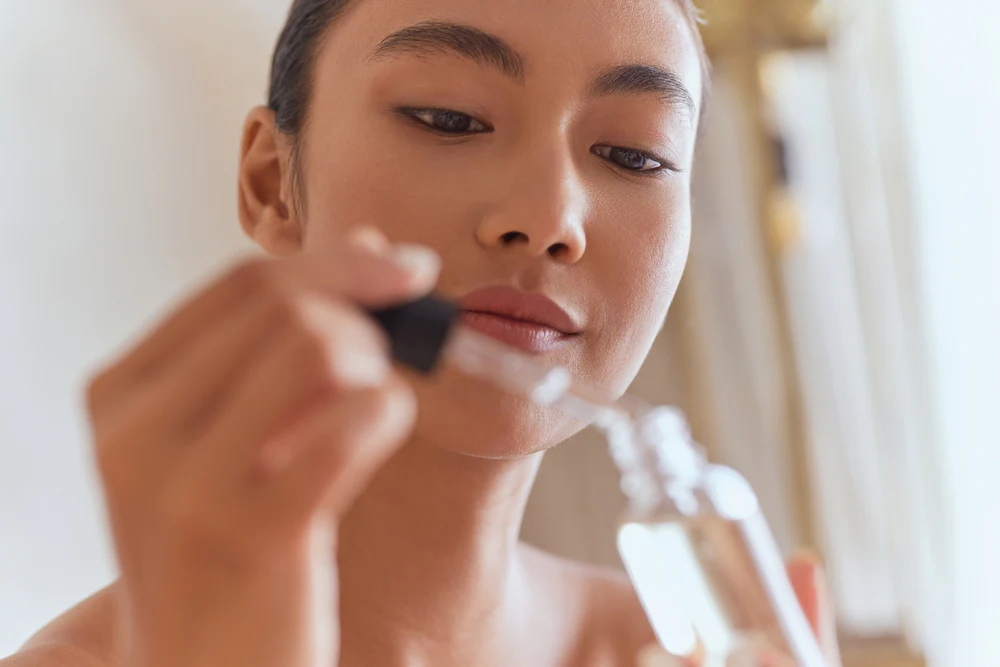
Taking care of oily and acne-prone skin can feel confusing, especially when your skin produces excess oil and keeps breaking out. Many people try different products but still struggle with pimples, blackheads, and acne scars. The truth is, you don’t need complicated routines, you need the right routine.
This skin care routine guide for oily and acne prone skin is designed to help you understand your skin, choose the right products, and follow a step-by-step routine that actually works. If you follow this guide consistently, you can control oil, reduce acne, and achieve healthier skin over time.
Also, many skincare platforms like juntosseguros .com highlight that consistency and proper ingredient selection are the real keys to long-term results, not just expensive products.
What Is Oily and Acne-Prone Skin?
Oily skin is a skin type where the sebaceous glands produce excess oil (sebum), making the skin look shiny and greasy. Acne-prone skin, on the other hand, is more likely to develop pimples, blackheads, and whiteheads due to clogged pores and bacteria.
Common signs include shiny skin, enlarged pores, and frequent breakouts. Acne usually forms when oil, dead skin cells, and bacteria block pores, leading to inflammation and pimples .
Causes of Oily Skin and Acne
Understanding the root causes helps you treat the problem more effectively.
Internal Causes
Hormonal changes are one of the biggest reasons behind oily skin and acne. During puberty, stress, or hormonal imbalance, oil production increases. Genetics also play a role if your parents had oily skin, you’re more likely to have it too.
External Causes
Using the wrong skincare products, especially heavy or oily ones, can clog pores. Pollution, humidity, and poor diet also contribute to breakouts.
How Oily Skin Leads to Acne
The process is simple but important to understand. Your skin produces oil to stay hydrated. But when too much oil is produced, it mixes with dead skin cells and blocks pores. Bacteria grow inside these clogged pores, causing inflammation and acne.
This is why ingredients like salicylic acid are important; they go deep into pores and clean them from inside .
Best Ingredients for Oily & Acne-Prone Skin
Choosing the right ingredients is more important than choosing brands.
Key Ingredients and Their Benefits
| Ingredient | Benefit |
| Salicylic Acid | Unclogs pores and reduces oil |
| Benzoyl Peroxide | Kills acne-causing bacteria |
| Niacinamide | Controls oil and reduces redness |
| Retinol | Improves skin renewal |
| Hyaluronic Acid | Hydrates without making skin oily |
Salicylic acid is especially useful because it is oil-soluble and can penetrate deep into pores to remove oil and debris .
Ingredients to Avoid
Not all products are suitable for oily skin. Some can make acne worse.
Avoid alcohol-based toners, heavy oils, and harsh scrubs. These can irritate your skin and increase oil production instead of reducing it .
Morning Skincare Routine (Step-by-Step)
Your morning routine should focus on oil control and protection.
Step 1: Cleanser
Use a gentle foaming or gel cleanser to remove oil produced overnight. Washing twice daily is recommended for oily skin .
Step 2: Toner
Apply an alcohol-free toner with ingredients like salicylic acid to remove leftover oil and tighten pores.
Step 3: Serum
Use a lightweight serum with niacinamide or vitamin C to control oil and brighten skin.
Step 4: Moisturizer
Even oily skin needs hydration. Choose a lightweight, oil-free moisturizer to maintain balance.
Step 5: Sunscreen
Apply SPF 30 or higher daily. Sunscreen prevents dark spots and protects your skin.
Platforms like juntosseguros .com also emphasize sunscreen as a non-negotiable step for acne-prone skin.
Night Skincare Routine
Nighttime is when your skin repairs itself.
Step 1: Cleanser
Clean your face to remove dirt, oil, and sunscreen buildup.
Step 2: Treatment
Use treatments like retinol or benzoyl peroxide. These ingredients help clear pores and reduce acne bacteria .
Step 3: Moisturizer
Apply a lightweight moisturizer to prevent dryness caused by treatments.
Weekly Skincare Routine
Your skin also needs extra care during the week.
Exfoliation should be done two to three times a week using chemical exfoliants like AHA or BHA. This helps remove dead skin and prevent clogged pores. Clay masks can also be used once a week to absorb excess oil.
However, over-exfoliating can damage your skin barrier, so moderation is key.
Routine Based on Acne Severity
| Acne Level | Recommended Routine |
| Mild | Cleanser + Salicylic Acid + Moisturizer |
| Moderate | Add Benzoyl Peroxide |
| Severe | Dermatologist treatment |
Common Skincare Mistakes
Many people unknowingly make mistakes that worsen acne.
Overwashing your face can strip natural oils and increase oil production. Skipping moisturizer can also make your skin produce more oil. Using too many active ingredients at once can irritate your skin.
Consistency is more important than using many products at once .
Lifestyle Tips for Clear Skin
Healthy skin is not just about products—it’s also about lifestyle.
Getting enough sleep, managing stress, and keeping your pillowcases clean can reduce acne. Avoid touching your face frequently, as it transfers bacteria and oil.
Diet & Acne Connection
Your diet can affect your skin. High sugar and dairy foods may trigger acne in some people. Drinking enough water and eating fruits and vegetables helps improve skin health.
Seasonal Skincare Adjustments
Your skincare routine should change with seasons. In summer, focus more on oil control and lightweight products. In winter, add hydration to prevent dryness.
Natural Remedies (Do They Work?)
Natural remedies like aloe vera and tea tree oil may help reduce mild acne. However, they are not replacements for proper skincare treatments.
When to See a Dermatologist
If your acne is severe, painful, or not improving after 6–8 weeks, you should consult a dermatologist. Professional treatment may include prescription medications.
FAQs
1. Can oily skin become dry after using acne products?
Yes, acne treatments can dry out the skin, which is why moisturizer is still essential.
2. How long does it take to see results from a skincare routine?
Most people start seeing improvement within 4 to 6 weeks with consistent use.
3. Can stress cause acne breakouts?
Yes, stress can increase hormone levels, which may trigger oil production and acne.
4. Is it safe to use multiple acne treatments together?
It’s better to use one or two treatments to avoid irritation unless advised by a dermatologist.
5. Does sweating cause acne?
Sweating itself doesn’t cause acne, but if not cleaned properly, it can clog pores and lead to breakouts.
Conclusion
This skin care routine guide for oily and acne prone skin shows that clear skin is not about using many products—it’s about using the right ones consistently. By following a simple routine, choosing effective ingredients, and avoiding common mistakes, you can control oil, reduce acne, and improve your skin health.
Websites like juntosseguros .com and dermatology experts agree that balance is the key. Focus on cleansing, treating, moisturizing, and protecting your skin daily. With patience and consistency, healthier and clearer skin is absolutely achievable.
- Latest Breaking News from Around the World: Why Reliable Journalism Matters More Than Ever
- What Business Articles Are Available on Bumpdots.com
- How Do I Create a Dynasty Scans Account? A Complete Beginner’s Guide to Dynasty Scans
- Can I Access onboardicafe.com from Any Device? A Complete Guide
- Online Productivity Software for Small Businesses: A Complete Guide to Working Smarter with Robyoc.online