
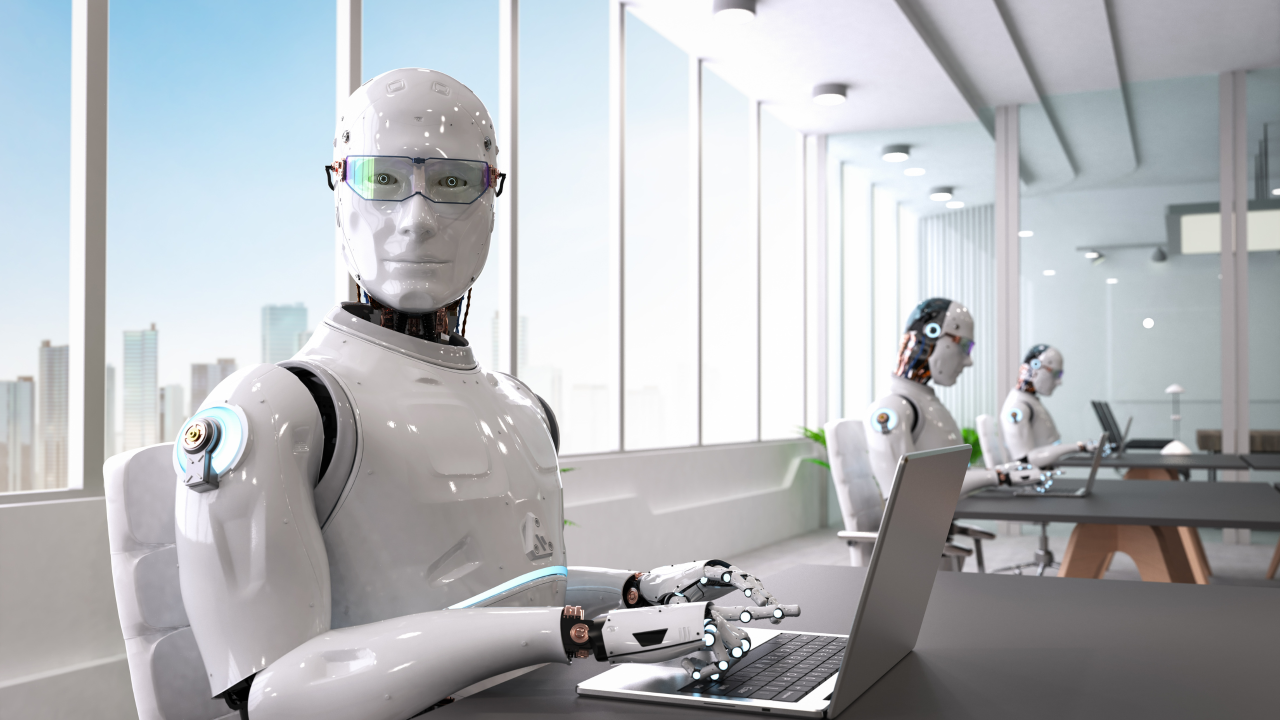
Artificial Intelligence (AI) has become one of the most influential technologies of the modern era. What was once considered a futuristic concept is now an essential part of everyday business operations. From healthcare and education to manufacturing and finance, AI is changing how organizations work, make decisions, and serve customers.
Businesses around the world are investing heavily in AI because it offers opportunities to improve efficiency, reduce costs, and increase productivity. As technology continues to evolve, the impact of artificial intelligence is becoming more visible in nearly every industry.
Many technology enthusiasts who follow trends on geekshub.net are witnessing how rapidly AI is influencing innovation. Companies that embrace AI are often able to gain a competitive advantage by using data more effectively and automating repetitive tasks.
In this article, we will explore how artificial intelligence is transforming industries, examine its benefits, discuss real-world applications, and look at how AI may shape the future of business and society.
What Is Artificial Intelligence?
Artificial Intelligence refers to computer systems that can perform tasks that typically require human intelligence.
These tasks include:
- Learning from data
- Solving problems
- Understanding language
- Recognizing images
- Making predictions
- Automating decisions
AI technologies often rely on:
- Machine Learning
- Deep Learning
- Natural Language Processing
- Computer Vision
- Robotics
These technologies allow computers to analyze information, identify patterns, and improve performance over time.
Why AI Is Becoming So Important
Modern businesses generate enormous amounts of data every day.
Managing and analyzing this data manually can be difficult and time-consuming.
AI helps organizations:
- Process information faster
- Improve decision-making
- Reduce human error
- Automate repetitive tasks
- Enhance customer experiences
- Increase productivity
These advantages explain why businesses across various sectors are adopting AI solutions at a rapid pace.
How Artificial Intelligence Is Transforming Industries
The impact of AI varies from industry to industry, but the overall goal remains the same: improving efficiency and creating better outcomes.
Let’s explore some of the major sectors being transformed by artificial intelligence.
Healthcare Industry
Healthcare is one of the industries benefiting significantly from AI.
Medical professionals use AI for:
- Disease diagnosis
- Medical image analysis
- Drug development
- Patient monitoring
- Personalized treatment plans
AI systems can analyze medical scans and identify patterns that may help doctors detect diseases earlier.
Benefits include:
- Faster diagnoses
- Improved patient care
- Reduced administrative workloads
- More accurate treatment recommendations
Many healthcare technology discussions on geekshub.net highlight AI’s potential to improve both patient outcomes and healthcare efficiency.
Finance and Banking
The financial sector relies heavily on data analysis.
AI helps financial institutions by:
Fraud Detection
AI identifies unusual transactions that may indicate fraud.
Credit Risk Assessment
Banks use AI to evaluate loan applications and financial risks.
Automated Customer Support
AI-powered chatbots provide 24/7 assistance.
Investment Analysis
AI helps investors identify trends and make informed decisions.
These applications improve both customer service and operational efficiency.
Manufacturing Industry
Manufacturing companies are increasingly using AI-powered technologies to optimize production.
Applications include:
- Predictive maintenance
- Quality control
- Supply chain optimization
- Robotics automation
Predictive maintenance allows businesses to identify equipment problems before they cause breakdowns.
Benefits include:
- Reduced downtime
- Lower maintenance costs
- Improved productivity
- Better product quality
Smart factories powered by AI are becoming more common around the world.
Retail and E-Commerce
Retail businesses use AI to better understand consumer behavior and improve shopping experiences.
Examples include:
Personalized Recommendations
AI suggests products based on customer preferences.
Inventory Management
Businesses predict product demand more accurately.
Dynamic Pricing
AI adjusts prices according to market conditions and customer behavior.
Customer Service Automation
Virtual assistants answer questions and process requests.
Retailers that use AI often achieve higher customer satisfaction and increased sales.
Education Sector
Education is another area where AI is creating significant changes.
Educational institutions use AI for:
- Personalized learning experiences
- Virtual tutoring
- Automated grading
- Student performance analysis
AI can identify learning gaps and recommend customized educational resources.
Students benefit from:
- Flexible learning opportunities
- Individualized instruction
- Improved engagement
Many educational technology articles on geekshub.net discuss how AI is making education more accessible and efficient.
Transportation and Logistics
Transportation companies use AI to improve safety and operational efficiency.
Applications include:
Route Optimization
AI identifies the most efficient travel routes.
Fleet Management
Companies monitor vehicle performance in real time.
Traffic Analysis
AI helps cities manage traffic congestion.
Autonomous Vehicles
Self-driving vehicle technology continues to advance.
These innovations help reduce costs, improve safety, and enhance transportation services.
Agriculture and Farming
Agriculture is becoming increasingly technology-driven.
Farmers use AI to:
- Monitor crop health
- Predict weather conditions
- Detect pests
- Optimize irrigation
- Improve harvest planning
Benefits include:
- Higher crop yields
- Reduced waste
- Better resource management
- Increased sustainability
AI is helping farmers meet growing food demands while using resources more efficiently.
Human Resources
Human resource departments are adopting AI to improve recruitment and workforce management.
Applications include:
- Resume screening
- Candidate matching
- Employee performance analysis
- Workforce planning
AI allows organizations to identify qualified candidates more quickly and accurately.
This reduces hiring time and improves recruitment outcomes.
Media and Entertainment
The entertainment industry uses AI to create more personalized experiences.
Examples include:
- Movie recommendations
- Music suggestions
- Audience analysis
- Content creation support
Streaming platforms use AI algorithms to recommend content based on viewing habits.
This improves user engagement and satisfaction.
Customer Service
Customer service has changed dramatically because of AI.
AI-powered tools provide:
- Instant responses
- 24/7 support
- Personalized assistance
- Faster issue resolution
Chatbots and virtual assistants help businesses serve customers more efficiently while reducing support costs.
Benefits of Artificial Intelligence Across Industries
The growing popularity of AI is driven by its many advantages.
Increased Efficiency
AI performs repetitive tasks faster than humans.
Better Decision-Making
Organizations can analyze large amounts of data quickly.
Reduced Costs
Automation lowers operational expenses.
Improved Accuracy
AI reduces human errors in many processes.
Enhanced Customer Experiences
Personalized services improve satisfaction and loyalty.
These benefits explain why businesses continue investing in AI technologies.
Challenges of AI Adoption
Although AI offers many advantages, organizations must also address several challenges.
Data Privacy
Large amounts of data require strong security measures.
High Initial Costs
Implementing AI systems can require significant investment.
Workforce Changes
Some job roles may evolve as automation increases.
Ethical Concerns
Businesses must ensure AI systems are fair, transparent, and unbiased.
Responsible AI implementation is essential for long-term success.
The Future of Artificial Intelligence
The future of AI looks extremely promising.
Emerging developments may include:
- Advanced robotics
- Smarter virtual assistants
- Improved healthcare diagnostics
- Enhanced cybersecurity
- Fully autonomous transportation
- Personalized education systems
Experts believe AI will continue expanding into new industries and applications.
Technology communities such as geekshub.net frequently discuss how future innovations may further accelerate digital transformation across the world.
How Businesses Can Prepare for AI
Organizations looking to benefit from AI should focus on:
- Employee training
- Data management
- Technology investments
- Ethical AI policies
- Continuous innovation
Companies that adapt early are often better positioned to remain competitive.
Conclusion
Understanding how artificial intelligence is transforming industries is essential in today’s rapidly evolving digital world. AI is reshaping healthcare, finance, manufacturing, retail, education, transportation, agriculture, and many other sectors by improving efficiency, reducing costs, and enabling smarter decision-making.
As highlighted by technology discussions on geekshub.net, artificial intelligence is no longer a future possibility—it is a present-day reality that continues to influence how businesses operate and grow. Organizations that embrace AI responsibly can unlock new opportunities, improve customer experiences, and position themselves for long-term success.
The future of industry will likely be shaped by those who understand and leverage the power of artificial intelligence effectively.
Frequently Asked Questions (FAQs)
1. What is artificial intelligence?
Artificial intelligence is technology that enables computers and machines to perform tasks that typically require human intelligence, such as learning, problem-solving, and decision-making.
2. How artificial intelligence is transforming industries?
AI is improving efficiency, automating processes, analyzing data, enhancing customer experiences, and helping organizations make better decisions across various sectors.
3. Which industries benefit the most from AI?
Healthcare, finance, manufacturing, retail, education, transportation, agriculture, and customer service are among the industries benefiting significantly from AI.
4. Can AI replace human workers?
AI can automate certain tasks, but it often works alongside humans and creates new opportunities that require different skills and expertise.
5. What are the biggest advantages of AI?
The main benefits include increased efficiency, cost reduction, improved accuracy, better decision-making, and enhanced customer experiences.
- Latest Breaking News from Around the World: Why Reliable Journalism Matters More Than Ever
- What Business Articles Are Available on Bumpdots.com
- How Do I Create a Dynasty Scans Account? A Complete Beginner’s Guide to Dynasty Scans
- Can I Access onboardicafe.com from Any Device? A Complete Guide
- Online Productivity Software for Small Businesses: A Complete Guide to Working Smarter with Robyoc.online